
The Bosch Series 6 User Manual guides first‑time owners through setup, safety, and operation. It explains how to inspect for damage, connect power, and register the appliance. Detailed instructions cover control panel use, program selection, and basic maintenance tips. For details, see the PDF guide.!

Safety and Installation
Before use, verify the unit is free of visible damage and that the door latch and drum run smoothly. Connect the appliance to a grounded 230 V outlet, ensuring the plug matches the local socket type. Follow the manual’s step‑by‑step installation guide, then register the machine for warranty and help.
Safety Precautions Before Use
Before operating your Bosch Series 6 washing machine, take a few essential safety steps. Unpack the appliance carefully, keeping the packaging intact for future reference. Inspect the drum, door seal, and agitator for any visible cracks, dents, or loose parts. If you notice damage, contact Bosch service before use. Ensure the unit is placed on a level, stable surface to avoid vibration and noise. Check that the floor around the machine is dry and free of debris to prevent slips. Verify the power cord is undamaged and the plug fits the outlet securely; use a grounded 230 V socket and avoid extension cords unless rated for the appliance’s current. Read the manual’s wiring diagram and follow the recommended installation procedure, including proper grounding and connection to the water supply. Keep the machine away from heat sources, direct sunlight, and high humidity. Store the detergent drawer and filter in a dry place to avoid mold growth. Finally, register your appliance online to activate warranty coverage and receive updates on safety notices. By following these precautions, you’ll protect yourself, your family, and the machine’s longevity.
After installation, perform a test cycle with no load to confirm water flow, drainage, and temperature settings. Observe the machine for any abnormal noises or vibrations. If any irregularities occur, stop the machine and consult the troubleshooting section. Also, ensure that the child lock function is disabled during normal operation to prevent accidental shut‑off. Keep the control panel dry and avoid spraying water directly on the electronics. Store the user manual in a readily accessible place for future reference. By adhering to these safety guidelines, you’ll ensure safe, efficient, and reliable operation of your Bosch Series 6 washing machine.
In case of an emergency, press the power button to halt the machine immediately. Unplug the appliance from the mains before performing any maintenance or cleaning. Keep children and pets away from the machine while it is running. If you notice any leaks, unusual smells, or electrical sparks, contact Bosch customer support right away. Regularly review the safety information in the manual to stay updated on any changes or recalls. Following these steps will help you maintain a safe environment and protect your investment. Always follow the manufacturer’s guidelines for safe use!
Correct Installation Steps
Place the machine on a flat, stable surface and allow the door to swing freely. Verify that the floor is dry and level; use a spirit level if necessary. Connect the water supply hoses to the corresponding hot and cold taps, tightening the fittings with a wrench but avoiding overtightening to prevent leaks. Attach the drain hose to the appliance’s drain outlet, ensuring it is secured with a clamp and positioned at least 50 cm above the floor to prevent backflow. Route the hose away from sharp edges that could damage the hose. Plug the power cord into a grounded 230 V outlet, checking that the plug fits snugly and that the outlet is free of moisture. If your model includes a water pressure sensor, verify that the pressure is within the manufacturer’s specified range before powering on. Once all connections are secure, close the door and perform a short test cycle with no load to confirm proper water flow, drainage, and temperature regulation. Observe the machine for any abnormal noises or vibrations during the cycle. If everything operates smoothly, the installation is complete. Keep the user manual in a convenient location for future reference. If you encounter any issues, consult the troubleshooting section or contact Bosch customer support for assistance.

Label the water inlet hoses with the correct color codes to avoid confusion. Store the installation checklist in the machine’s service drawer. Inspect hoses for cracks or bulges and replace if needed. Follow these steps for optimal performance and safety. Enjoy. now.
Initial Setup and First-Time Use
Before first use, inspect for damage, remove packaging, and ensure the door opens fully. Connect water and drain hoses, then plug in the power cord. Turn on the machine, select a short wash cycle, add detergent, and observe the display for proper operation. Follow the manual for detailed settings. Now
Checking for Damage and Defects
Before operating your Bosch Series 6 washing machine, perform a thorough visual inspection to ensure safety and optimal performance. Unpack the appliance carefully, removing all protective coverings and packaging materials. Inspect the outer casing for cracks, dents, or any signs of impact damage. Pay special attention to the door seal, hinges, and frame edges, as these areas are critical for maintaining a proper seal and preventing leaks during operation.
- Door and Seal: Check the rubber gasket for tears, missing segments, or excessive wear. A compromised seal can lead to water leakage and reduced washing efficiency.
- Control Panel: Verify that all buttons, dials, and touch‑pad icons are intact and responsive. Look for any loose or broken components that might affect program selection.
- Water Inlet and Drain Hoses: Inspect hoses for kinks, cracks, or frayed edges. Ensure that the fittings are secure and that the hoses are free from obstructions that could impede water flow.
- Electrical Connections: Confirm that the power cord is undamaged, with no exposed wires or cuts. The plug should fit snugly into the outlet, and the cord should not be twisted or pinched.
- Drum and Bearings: Rotate the drum manually to detect any unusual resistance or noise. A smooth rotation indicates that bearings are in good condition; resistance may signal a need for lubrication or replacement.
- Internal Components: If possible, open the service panel to inspect the motor, pump, and filter assembly. Look for signs of corrosion, debris, or foreign objects that could hinder performance.
Document any findings and, if necessary, contact Bosch customer support or a certified technician before proceeding with installation or use. This proactive inspection helps prevent potential operational issues and extends the appliance’s lifespan.
Setting Up the Control Panel
After confirming the machine is free of damage, power it on and follow the on‑screen prompts to configure the control panel. The Bosch Series 6 offers a touch‑pad interface with a clear LCD display. First, select your preferred language by tapping the language icon; the system will cycle through options until the correct one is highlighted. Next, set the date and time to ensure accurate scheduling of delayed start cycles. Use the arrow keys to adjust the values, then confirm with the “OK” button.
To personalize the user experience, register the appliance via the Bosch Connected Home app. Open the app on your smartphone, create an account or log in, and scan the QR code displayed on the machine’s front panel. This links the washer to your home network, enabling firmware updates and remote control. Once registered, you can customize wash presets, save favorite settings, and receive notifications about maintenance reminders.
Finally, review the default settings for water temperature, spin speed, and wash duration. These can be adjusted by selecting the “Program” button and navigating through the available options. The display will show icons indicating the chosen parameters. Confirm each setting with the “Start” button, and the machine will be ready for its first load.
Before running the first cycle, activate the child lock to prevent accidental button presses. Tap the child lock icon; a blinking indicator confirms activation. If you need to disable it later, press the same icon again. Additionally, you can adjust the water level sensor calibration by selecting the “Water Level” option and following the on‑screen instructions. This ensures optimal water usage for each load size.
For advanced users, the “Custom Wash” feature allows you to create a personalized routine; Press the “Custom” button, then set the desired water temperature, spin speed, and cycle duration. After confirming, name the program and tap “Save.” The new routine will appear in the program list, ready for future use.
All settings can be reviewed or modified at any time by navigating back to the main menu and selecting the relevant option. The system will display a confirmation banner once changes are applied. Feel free to explore the help icon for quick tips on each setting.
Control Panel Features and Washing Programs
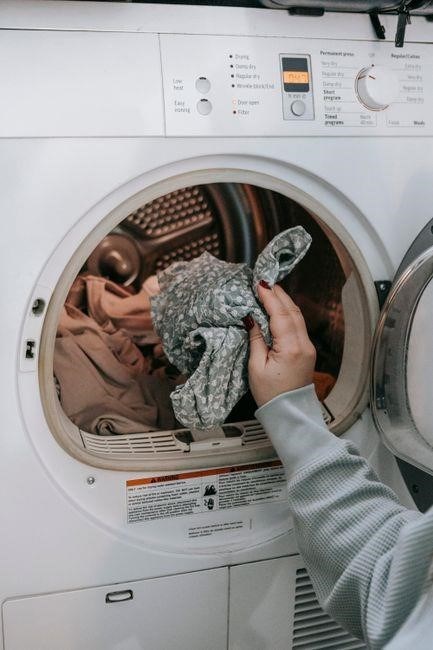
The Bosch Series 6 control panel offers a touch‑pad interface with icons for temperature, spin speed, and wash duration. Select a program—Standard Eco, or Custom—using the display. The machine auto‑adjusts water level and cycle time based on load size
Button Functions, Icons, and Display Indicators
On the Bosch Series 6, the touch‑pad control panel features a set of clearly labeled buttons and icons that guide users through every wash cycle. The Start/Stop button initiates or pauses the program, while the Temperature icon toggles between 30°C, 40°C, 60°C, and 90°C settings. The Spin Speed icon allows selection of wash duration, rinse cycles, and extra spin. The Eco icon activates a low‑energy mode that extends cycle time but reduces power consumption. The Custom icon opens a menu where users can set wash duration, rinse cycles, and extra spin. The Timer icon lets you delay the start of a wash by up to 24 hours, useful for overnight cycles. The Water Level icon automatically adjusts based on load size, but can be overridden for very small loads. The display panel shows the current program, remaining time, and any error codes. A small LED indicator lights green when the machine is ready, amber during a wash, and red if an error occurs. The Power icon indicates voltage status and can be used to reset the machine after a power outage. All icons are designed with intuitive symbols: a water droplet for temperature, a spinning arrow for spin speed, a leaf for eco, and a gear for custom settings. The combination of tactile buttons and visual feedback ensures that even first‑time users can confidently operate the machine. The silent mode cuts noise, making laundry time more pleasant and saves energy daily!!.
Standard, Eco, and Custom Wash Options
The Bosch Series 6 offers three primary wash modes that cater to different laundry needs. The Standard program delivers a balanced cycle with a 30‑minute wash, a 10‑minute rinse, and a 5‑minute spin. It is ideal for everyday fabrics and moderate soil levels, providing reliable cleaning while keeping energy use moderate. The Eco mode prioritizes energy efficiency, extending the wash time to 45 minutes and using a lower water temperature of 30°C. This option reduces electricity consumption by up to 30% compared to the Standard cycle, making it perfect for lightly soiled loads or when environmental impact is a concern. The Custom mode allows users to tailor every aspect of the wash. By selecting the desired wash duration, rinse cycles, and spin speed, you can create a program that matches your specific fabric care requirements. For example, a delicate load can be set to a gentle 20‑minute wash, a single rinse, and a low spin speed of 400 rpm, while a heavily soiled work shirt can be programmed for a 60‑minute wash, two rinses, and a high spin speed of 1200 rpm. All three modes are accessible via the touch‑pad control panel, and the display will show the selected settings and remaining time. The combination of Standard, Eco, and Custom options ensures that every user can achieve optimal cleaning performance while balancing time, water, and energy consumption. Whether you prefer a quick rinse or a thorough deep clean, the Series 6’s intuitive interface lets you choose the right cycle with confidence and ease.!
Maintenance, Troubleshooting, and Support
Keep your Bosch Series 6 running smoothly by cleaning the filter every month and checking the drum for debris. If error codes appear, consult the manual’s list or call Bosch support. Regular maintenance extends lifespan and ensures optimal performance. For help, visit Bosch.com/support 1‑800‑123‑4567now
Cleaning, Filter, and Drum Maintenance
Regular cleaning of the Bosch Series 6 keeps it efficient and extends life. Unplug, open the door, locate the filter at the bottom front. Remove the cover, turn counter‑clockwise, pull out the filter, rinse under water, and wipe the housing dry.
Clean the drum with a damp cloth, focusing on the rubber gasket to remove detergent residue and prevent mold. For stains, use a mild detergent solution and a non‑abrasive sponge.
Inspect the drain hose for kinks or clogs, ensure it’s secured, and replace if cracked. Run an empty rinse cycle with vinegar or a drum cleaner monthly to keep odors away.
Check the detergent dispenser for buildup, remove, wash with warm soapy water, rinse, dry, and reinsert. Flush water inlet filters with a brush if clogged to avoid leaks.
Clean the drain pump filter every two months: remove cover, turn counter‑clockwise, pull out, brush lint, reinstall firmly. A clogged filter can cause overheating or drainage failure.
Pause the cycle if you hear rattling or squealing, inspect the drum for foreign objects, and check bearings for wear. Contact Bosch service if noisy or damaged.
By following these steps, you’ll enjoy cleaner clothes, quieter operation, and a longer appliance life. Regular maintenance cuts energy use and keeps the machine smooth.
Common Error Codes and Service Contact
When the Bosch Series 6 displays an error, the first step is to read the code on the digital display. Codes such as E01 (door not closed), E02 (water inlet error), E03 (drain pump fault), E04 (over‑temperature), and E05 (motor fault) indicate the source of the problem. For each code, the user should: 1) verify the door latch, 2) check the water supply hoses for kinks or blockages, 3) inspect the drain hose for clogs, 4) ensure the ambient temperature is below 30 °C, and 5) confirm the motor is free of obstructions.
If the error persists after troubleshooting, reset the machine by turning the power switch off for 30 seconds, then back on. Persistent codes should be reported to Bosch Customer Service. Contact details are: Phone: 1‑800‑BOSCH‑HELP (1‑800‑266‑4357), Email: service@bosch.com, or use the online support portal at https://www.bosch-home.com/us/support. For urgent repairs, schedule a service appointment via the Bosch app or by calling the local service center listed on the website. All service requests are tracked in the system, and technicians will provide a diagnostic number for reference. Keep the user manual handy during service for reference to error codes and maintenance steps. If the error code remains unresolved, please consult the troubleshooting section or contact Bosch for assistance and warranty.