
Rock and Roll Gig Guide: A Comprehensive Overview (February 26, 2026)
Today, February 26, 2026, marks a pivotal moment for rock enthusiasts! This guide navigates the vibrant world of live rock music,
from iconic venues to online discovery.
The rock and roll scene, born in the mid-1950s United States, quickly transcended musical boundaries to become a dominant global force. Initially personified by artists like Elvis Presley, it evolved rapidly, absorbing influences and birthing subgenres. This dynamic evolution continues today, making the scene incredibly diverse.
Understanding this landscape requires recognizing rock’s inherent democratic nature – a medium where marginalized voices can resonate powerfully. However, navigating this vastness demands resources. This guide aims to provide a comprehensive overview, assisting fans in discovering live performances. From established stars to emerging artists, the rock and roll scene offers a constant stream of exciting musical experiences, continually reshaping popular culture.
The Historical Roots of Rock and Roll (1950s)
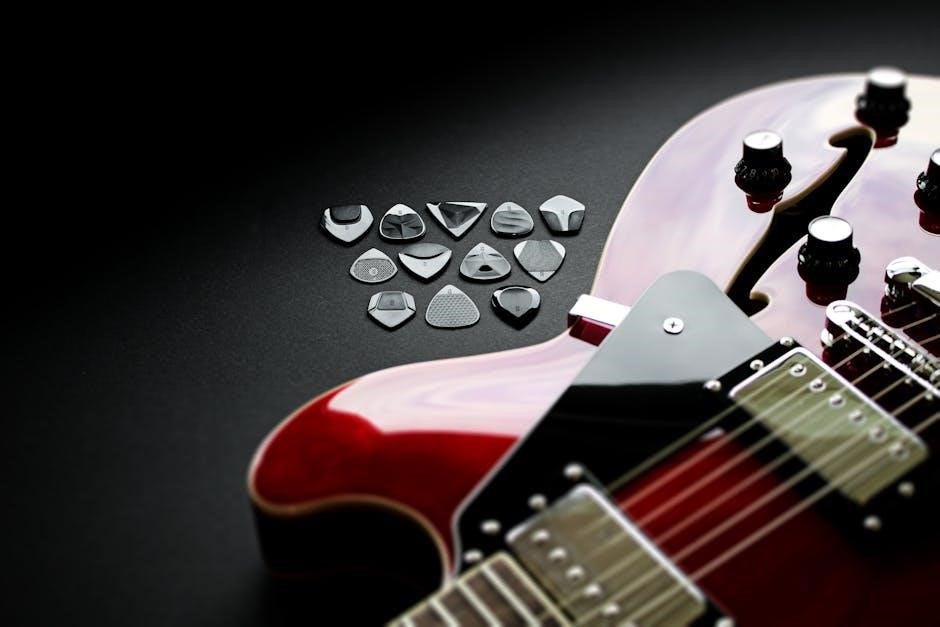
The 1950s witnessed the explosive birth of rock and roll, a new American popular music form. Emerging as an alternative to mainstream pop, it quickly captivated audiences with its energetic rhythms and rebellious spirit. Early pioneers, most notably Elvis Presley, defined the era, establishing a blueprint for future generations of musicians.
These formative years were crucial in establishing rock’s identity. The music’s strong beat and raw energy resonated with a youthful demographic seeking something different. While initially a regional phenomenon, rock and roll rapidly spread across the United States and beyond, laying the groundwork for its eventual global dominance. Understanding these roots is key to appreciating the genre’s enduring appeal.
Key Figures in Early Rock and Roll
The mid-1950s saw the rise of iconic figures who shaped the nascent sound of rock and roll. Elvis Presley, quickly dubbed “The King,” became a cultural phenomenon, embodying the genre’s rebellious energy and captivating stage presence. Simultaneously, Chuck Berry emerged as a pivotal pioneer, skillfully blending blues influences with energetic performances and clever songwriting.

These artists weren’t simply musicians; they were cultural catalysts. Their success demonstrated the commercial viability of rock and roll while maintaining artistic integrity. The Beatles later built upon this foundation, proving that mass appeal and artistic expression could coexist. These early stars laid the groundwork for rock’s evolution, influencing countless artists and solidifying its place in music history.
Elvis Presley: The King of Rock and Roll
Elvis Presley’s early performances were electrifying, instantly captivating audiences with his charismatic stage presence and groundbreaking blend of blues, gospel, and country music. He personified the burgeoning rock and roll movement, quickly becoming a symbol of youthful rebellion and cultural change. His concerts weren’t just musical events; they were social phenomena, drawing massive crowds and sparking both excitement and controversy.
Presley’s impact extended beyond music, influencing fashion, dance, and societal norms. He demonstrated the immense commercial potential of rock and roll, paving the way for future artists. His legacy continues to inspire, reminding us of the power of music to transcend boundaries and ignite cultural shifts.
Chuck Berry: A Pioneer of the Genre
Chuck Berry was a foundational figure in rock and roll, renowned for his energetic performances and innovative guitar playing. He crafted compelling narratives within his songs, often reflecting teenage life and American culture, resonating deeply with a burgeoning youth audience; Berry’s signature “duckwalk” became an iconic stage move, adding to his dynamic and captivating presence.
Beyond performance, Berry’s songwriting was incredibly influential, establishing many of the conventions of rock music. He skillfully blended blues structures with catchy melodies and relatable lyrics, creating a sound that was both fresh and familiar. His contributions helped solidify rock and roll as a dominant force in popular music;
The Evolution of Rock Music (1960s)
The 1960s witnessed a dramatic transformation of rock and roll, expanding beyond its initial foundations. This decade saw the emergence of diverse subgenres and a surge in artistic experimentation. The commercial and artistic power of rock grew exponentially, influencing global youth culture.
Crucially, the decade brought The British Invasion, spearheaded by The Beatles, demonstrating that artistic integrity and mass appeal weren’t mutually exclusive. Simultaneously, Folk Rock arose, blending the lyrical depth of folk music with rock’s energetic instrumentation. These shifts broadened rock’s thematic scope and musical palette, paving the way for further innovation and solidifying its dominance.
The British Invasion: The Beatles and Beyond
The mid-1960s “British Invasion” fundamentally reshaped the rock landscape, with bands from the United Kingdom achieving unprecedented success in the United States. The Beatles were central to this phenomenon, proving that rock and roll could achieve both commercial dominance and artistic respectability – a crucial turning point.
Their success opened doors for numerous other British acts, influencing musical styles and concert attendance. This influx of British talent injected fresh energy into the American music scene, fostering a competitive and creatively fertile environment. The impact extended beyond music, influencing fashion, attitudes, and youth culture, creating a global rock and roll phenomenon.
The Rise of Folk Rock
Emerging in the mid-1960s, Folk Rock represented a significant evolution within the broader rock music scene. Directly influenced by the commercial and artistic success of The Beatles, artists began exploring a fusion of traditional folk music with the electric instrumentation and energy of rock and roll. This blending created a new sound that appealed to a wider audience.
Folk Rock often featured socially conscious lyrics and a more introspective approach compared to earlier rock styles. It provided a platform for singer-songwriters to express personal and political viewpoints, resonating with a generation seeking authenticity and meaning in music. This genre broadened rock’s thematic scope and solidified its position as a democratic medium.
Rock Music’s Dominance (Late 20th Century)
By the late 20th century, Rock music had ascended to become the world’s dominant form of popular music, originating in the United States before achieving international acclaim. This period witnessed an explosion of subgenres and styles, solidifying rock’s cultural impact and commercial power.
Despite evolving musical landscapes and the emergence of new genres, rock maintained its relevance, continually adapting and influencing subsequent musical movements. It remained a powerful force in the music industry, driving record sales and filling concert venues globally. Even as mainstream pop absorbed elements of rock, the core principles of authenticity and expressive freedom continued to define the genre’s enduring appeal.

Rock as a Democratic Medium
Rock uniquely stands as the most democratic of mass media platforms, offering a crucial voice to those existing on the margins of society. Unlike other heavily curated genres, rock historically allowed for a broader range of perspectives and experiences to be expressed through music.
This democratic nature fostered a sense of community and empowerment, enabling artists to connect directly with audiences and challenge societal norms. The accessibility of rock instrumentation and production, compared to other forms, further contributed to its inclusive character. It provided a space for diverse voices, ensuring that alternative narratives could be heard “out loud” within the mainstream.
Distinguishing Rock from Pop Music
Rock differentiates itself from pop through its emphasis on authenticity – a genuine expression of a performer’s or composer’s feelings. It strives for an honest representation of social situations, often tackling complex themes and challenging conventional perspectives.
While pop music frequently prioritizes commercial appeal and polished production, rock values raw emotion and artistic integrity. This isn’t to say pop lacks merit, but rock traditionally aims for a deeper connection with listeners, built on shared experiences and relatable struggles. Rock often exists simultaneously as both mainstream and counter-cultural, a unique position within the music landscape.
Authenticity in Rock Expression
Rock music is fundamentally distinguished by its pursuit of authentic expression. It’s not merely about crafting catchy melodies; it’s about conveying genuine feelings and experiences. This authenticity stems from a desire to connect with audiences on a deeper, more personal level, moving beyond superficial entertainment.
Artists often prioritize sincerity over commercial viability, resulting in music that feels raw, honest, and relatable. This commitment to truthfulness is a core tenet of the genre, shaping its lyrical content, musical arrangements, and overall aesthetic. The power of rock lies in its ability to resonate with listeners who value genuine artistry and emotional depth.
Rock’s Representation of Social Situations
Rock music has consistently served as a powerful medium for reflecting and responding to social situations. Throughout its history, the genre has tackled complex themes like rebellion, political unrest, and cultural shifts, giving voice to marginalized communities and challenging societal norms.

Unlike some forms of popular music focused on escapism, rock often confronts difficult realities head-on, sparking dialogue and inspiring change. This ability to capture the zeitgeist and articulate collective anxieties has cemented rock’s role as a cultural force. It remains the most democratic mass medium, allowing diverse voices to be heard.
The Changing Landscape of Rock in the 21st Century
The 21st century presents a dynamic, yet challenging, environment for rock music. While it remains a dominant form of popular music globally, the industry has undergone significant transformations. The rise of digital streaming and the fragmentation of music consumption have altered how rock is discovered and experienced.

Despite these shifts, rock continues to evolve, incorporating influences from other genres and embracing new technologies. The definition of “rock” itself is increasingly fluid, reflecting a broader musical landscape. However, the core values of authenticity and artistic expression remain central to the genre’s identity, ensuring its continued relevance.
The Relationship Between Rock and the Music Industry
Historically, rock music’s relationship with the music industry has been complex. The Beatles’ success demonstrated the potential for artistic integrity alongside commercial power, influencing subsequent artists. However, the industry’s focus on profit can sometimes clash with rock’s emphasis on authenticity.
Today, the industry’s structure – dominated by streaming and digital sales – presents new challenges and opportunities for rock musicians. Navigating this landscape requires artists to balance creative control with promotional demands. Despite these hurdles, rock’s enduring popularity ensures its continued presence within the broader music ecosystem, albeit in an evolving form.

Understanding the Evolving Nature of Rock
Rock music, since its inception in the 1950s, has consistently redefined itself. Initially emerging as a rebellious alternative to mainstream pop, it eventually became the mainstream. This constant evolution is central to rock’s identity, shaped by non-musical arguments concerning creativity, sincerity, and commercial success.

The genre’s adaptability allows it to absorb influences from other styles, resulting in subgenres like folk rock, punk, and heavy metal. Understanding this fluidity is crucial for appreciating rock’s ongoing relevance. While its dominance may fluctuate, rock’s capacity for reinvention ensures its continued presence in the musical landscape.
Rock Venues: From Small Clubs to Stadiums
The rock and roll experience is profoundly shaped by the venue. Historically, the journey began in intimate clubs, fostering a direct connection between artists and audiences. These smaller spaces nurtured emerging talent and cultivated a raw, energetic atmosphere – essential for early rock’s development.
As rock’s popularity surged, the scale expanded to larger concert halls and, ultimately, massive stadiums. These iconic venues became synonymous with legendary performances, amplifying the music’s impact. Both types of spaces remain vital; clubs continue to showcase rising stars, while stadiums host established acts, demonstrating rock’s enduring appeal.
Iconic Rock Venues in the United States
The United States boasts a rich history of venues central to rock and roll’s evolution. New York City’s CBGB, though now closed, remains legendary as a birthplace of punk rock, hosting pivotal early performances. Los Angeles’s The Troubadour similarly launched numerous careers, becoming a cornerstone of the West Coast music scene.
Larger venues like Red Rocks Amphitheatre in Colorado offer a unique outdoor experience, blending natural beauty with musical power. Madison Square Garden in New York and the Hollywood Bowl in Los Angeles represent the pinnacle of stadium rock, hosting generations of iconic artists. These spaces aren’t just locations; they’re integral to rock’s narrative.
International Rock Venues
Beyond the United States, a wealth of international venues have shaped rock’s global landscape. The Cavern Club in Liverpool, England, famously hosted The Beatles’ early gigs, becoming synonymous with the British Invasion. Germany’s Loreley Open Air, situated on a scenic hilltop, hosts massive rock and metal festivals.
France’s Olympia concert hall in Paris has welcomed rock legends for decades, while Japan’s Budokan hall, originally designed for martial arts, became a coveted stage for international rock acts. These venues demonstrate rock’s widespread appeal and its ability to transcend geographical boundaries, fostering a global community of fans and musicians.
Navigating the Rock Gig Calendar
Successfully planning your rock and roll experience requires skillful navigation of the gig calendar. The sheer volume of performances, from intimate club shows to large-scale stadium concerts, can be overwhelming; Staying informed about tour schedules and local events is crucial. Regularly checking dedicated music websites and publications is a great starting point.
Furthermore, utilizing social media platforms allows for real-time updates on newly announced gigs and potential schedule changes. Many artists and venues actively promote events through these channels. Proactive planning and consistent monitoring will maximize your chances of catching your favorite bands live!
Finding Rock Gigs Online
The internet has revolutionized how rock fans discover live music. Utilizing gig listing websites is a primary method; platforms aggregate concert information from various sources, offering comprehensive search filters based on location, date, and artist. These sites often include ticketing links and venue details, streamlining the planning process.
Social media for rock gig discovery is equally vital. Artists, venues, and promoters actively announce shows on platforms like Facebook, Instagram, and X. Following your favorite bands and local music scenes will provide timely updates; Dedicated music communities and event pages further enhance your search, connecting you with fellow fans and hidden gems.

Utilizing Gig Listing Websites
Gig listing websites serve as central hubs for concert information, simplifying the search for rock shows. These platforms aggregate events from numerous venues and promoters, offering a broad overview of the live music landscape. Key features include advanced search filters – allowing users to pinpoint gigs by location, date, genre, and even price range.
Reliable websites typically provide detailed event descriptions, venue maps, and direct links to purchase tickets. User reviews and ratings can offer valuable insights into the venue’s atmosphere and the overall concert experience. Regularly checking these sites ensures you don’t miss out on upcoming performances by established artists or emerging bands.
Social Media for Rock Gig Discovery
Social media platforms have become indispensable tools for discovering rock gigs, offering real-time updates and direct engagement with artists and venues. Following your favorite bands, local music promoters, and concert halls on platforms like Facebook, Instagram, and Twitter ensures you receive immediate notifications about upcoming shows.
Many venues and artists utilize event pages on Facebook, providing detailed information, ticket links, and opportunities to RSVP. Hashtags related to rock music and your local scene (#rockmusic, #livemusic, #[city]music) can broaden your search and uncover hidden gems. Engaging with online communities dedicated to rock music fosters discovery and shared excitement.
Ticket Purchasing Strategies for Rock Concerts
Securing tickets to popular rock concerts demands strategic planning. Official ticketing platforms like Ticketmaster and AXS are primary sources, but often experience high demand. Creating accounts beforehand and saving payment information streamlines the process. Be prepared for potential virtual queues and timed sales – patience is key!
Consider presales offered to fan club members or credit card holders for early access. Resale markets, such as StubHub or Vivid Seats, offer alternatives, but verify seller reputation and be mindful of inflated prices. Avoid purchasing from unverified sources to prevent fraud. Setting price alerts can help snag deals, and understanding refund policies is crucial.
Preparing for a Rock and Roll Gig
Attending a rock concert requires thoughtful preparation for an optimal experience. Comfortable footwear is essential, as standing and dancing are common. Check the venue’s bag policy – many restrict bag sizes or types. Dress appropriately for the weather, considering both indoor and outdoor portions of the event. Hydrate well before and during the show, especially in crowded environments.
Earplugs are highly recommended to protect your hearing from loud volumes. Familiarize yourself with the venue layout and locate exits for safety. Coordinate transportation beforehand, considering parking or public transit. Finally, embrace the energy and be respectful of fellow concertgoers – rock gigs are about shared passion!
The Future of Rock and Roll
Despite evolving musical landscapes, rock’s future remains resilient. While mainstream dominance shifted, rock’s core – authenticity and social commentary – persists. The genre continually absorbs influences, blending with other styles and innovating through new technologies. The democratic nature of rock ensures voices from diverse backgrounds will continue to shape its evolution.
The industry’s challenges are undeniable, yet rock’s enduring appeal suggests it won’t fade. Expect continued experimentation, a resurgence of subgenres, and a focus on live experiences. Rock will likely remain an evolving practice, informed by arguments surrounding creativity, sincerity, and commercial viability, securing its place in music history.
Rock and Roll Subgenres to Explore
Beyond classic rock, a universe of subgenres awaits discovery! Punk Rock, born as an alternative, injected raw energy and rebellious spirit, profoundly influencing subsequent styles. Its DIY ethos continues to inspire. Heavy Metal, with its diverse variations – from classic to thrash to progressive – offers powerful riffs and complex arrangements.
Explore further into genres like alternative rock, indie rock, and grunge, each offering unique sonic textures and lyrical themes. Don’t overlook progressive rock’s ambitious compositions or psychedelic rock’s experimental soundscapes. These subgenres demonstrate rock’s adaptability and enduring capacity for innovation, enriching the live gig experience.
Punk Rock and its Influence
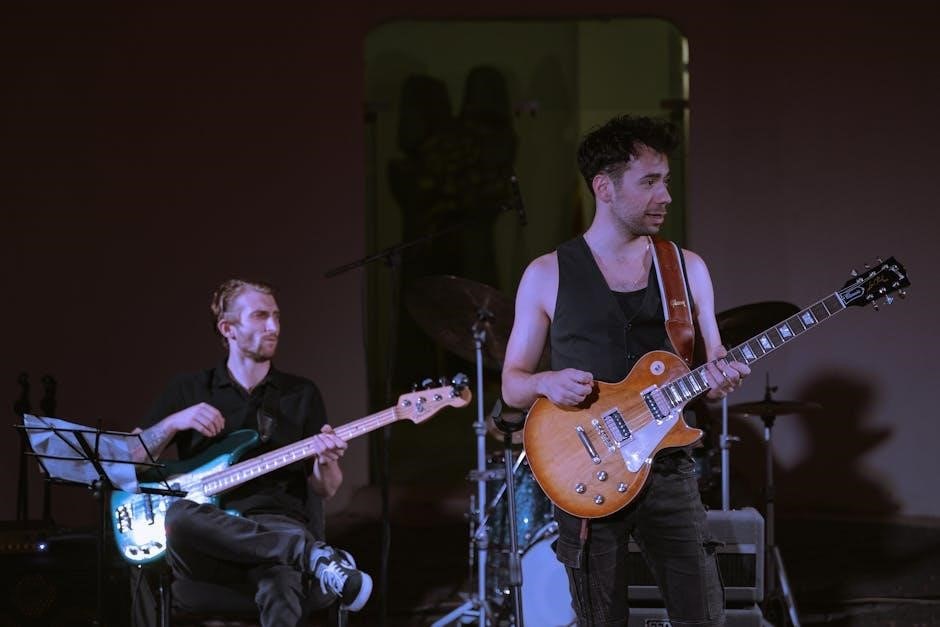
Emerging as a defiant reaction to mainstream music in the 1970s, Punk Rock championed a raw, energetic sound and anti-establishment lyrics. Its DIY ethic – do-it-yourself – fostered independent music scenes and a spirit of accessibility. Bands prioritized immediacy over technical perfection, creating a visceral live experience.
Punk’s influence extends far beyond its initial wave, impacting fashion, art, and social attitudes. It paved the way for post-punk, new wave, and hardcore, each building upon its foundations. Discovering punk gigs offers a glimpse into this rebellious history, often found in smaller, intimate venues. The genre’s enduring legacy continues to inspire new generations of musicians and fans.
Heavy Metal and its Variations
Evolving from hard rock and blues-rock in the late 1960s and early 1970s, Heavy Metal is characterized by aggressive rhythms, amplified distortion, and virtuosic instrumentation. Subgenres blossomed, including thrash metal, death metal, black metal, and power metal, each with distinct sonic qualities and lyrical themes.
Attending a metal gig is an immersive experience, often featuring elaborate stage productions and a devoted fanbase. From stadium shows to underground clubs, the metal scene offers diverse venues. Exploring its variations reveals a complex musical landscape. The enduring appeal lies in its intensity, technical skill, and exploration of darker themes, continuing to captivate audiences worldwide.