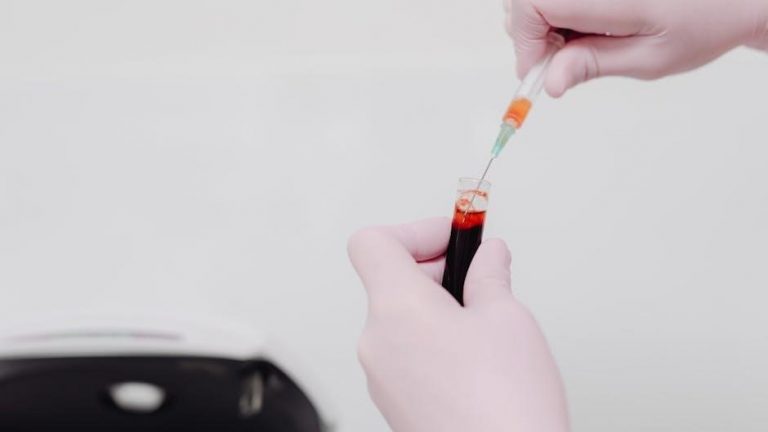
Hartman’s guide‚ paired with its answer key‚ offers comprehensive phlebotomy training‚ ensuring a secure and efficient learning experience for aspiring technicians globally.
Overview of the Textbook
Hartman’s Complete Guide for the Phlebotomy Technician is a widely recognized and respected resource in phlebotomy education. This textbook meticulously covers all essential aspects of the field‚ from foundational anatomy and physiology to advanced venipuncture techniques and safety protocols. It’s designed to prepare students for both classroom success and real-world clinical practice.
The guide emphasizes a step-by-step approach‚ making complex procedures easier to understand and replicate. It includes detailed illustrations and clear explanations‚ ensuring students grasp the nuances of each skill. Furthermore‚ the textbook addresses crucial topics like patient communication‚ infection control‚ and legal considerations‚ fostering a well-rounded understanding of the phlebotomist’s role. The accompanying answer key is integral to reinforcing learning and identifying areas needing further study‚ solidifying comprehension of the material presented within the comprehensive chapters.
Importance of the Answer Key
The Hartman’s Complete Guide for the Phlebotomy Technician answer key is an indispensable tool for effective learning and exam preparation. It’s far more than just a list of correct responses; it’s a mechanism for self-assessment and identifying knowledge gaps. By diligently reviewing answers‚ students can pinpoint areas where they struggle and refocus their study efforts accordingly.
The answer key facilitates a deeper understanding of the why behind each correct answer‚ not just the what. This promotes critical thinking and ensures students aren’t simply memorizing facts‚ but truly comprehending the principles of phlebotomy. It allows for independent study‚ reinforcing concepts and building confidence. Ultimately‚ utilizing the answer key maximizes learning potential and prepares students to excel on certification exams and in their future careers as skilled phlebotomy technicians.

Understanding Phlebotomy Fundamentals
Hartman’s guide expertly covers core phlebotomy principles‚ while the answer key reinforces comprehension of vital techniques‚ safety‚ and patient care standards.
Venipuncture Techniques
Hartman’s Complete Guide for the Phlebotomy Technician meticulously details venipuncture‚ emphasizing proper technique for successful blood draws. The accompanying answer key is invaluable for solidifying understanding of these critical skills. It reinforces correct procedures‚ including site selection‚ tourniquet application‚ and angle of insertion.
Students can utilize the answer key to assess their grasp of various venipuncture methods – straight‚ bevel up‚ and using evacuated tubes. It clarifies common challenges like difficult draws‚ hematoma formation‚ and nerve proximity. The key provides detailed explanations‚ not just correct answers‚ fostering a deeper comprehension of why certain techniques are preferred.
Furthermore‚ the answer key supports learning about specialized venipuncture scenarios‚ such as pediatric or geriatric patients‚ where modifications to standard techniques are often necessary. Mastering these nuances is crucial for competent and compassionate phlebotomy practice.
Safety Protocols in Phlebotomy
Hartman’s guide places paramount importance on safety‚ and the answer key reinforces this through detailed review questions. It tests understanding of standard precautions‚ including proper hand hygiene‚ glove usage‚ and sharps disposal – vital for preventing healthcare-associated infections. The key doesn’t simply confirm correct answers; it explains the rationale behind each safety measure.
Questions cover biohazard handling‚ exposure control plans‚ and the appropriate response to accidental needle sticks. Students can assess their knowledge of personal protective equipment (PPE) and its correct application. The answer key clarifies procedures for handling potentially infectious materials and maintaining a sterile work environment.
Moreover‚ it supports learning about patient safety‚ including verifying patient identity and addressing potential risks like fainting or anxiety during the procedure. A strong grasp of these protocols‚ validated by the answer key‚ is essential for responsible phlebotomy practice.
Patient Identification and Preparation
Hartman’s guide emphasizes meticulous patient identification and preparation‚ and the accompanying answer key rigorously tests comprehension of these critical steps. Questions delve into the importance of verifying at least two patient identifiers – name and date of birth – before any blood draw‚ ensuring accuracy and preventing errors.
The answer key clarifies proper techniques for explaining the procedure to patients‚ addressing their anxieties‚ and obtaining informed consent. It assesses understanding of pre-analytical factors‚ like fasting requirements or medication restrictions‚ and their impact on test results.
Students can evaluate their knowledge of appropriate patient positioning and arm selection‚ as well as recognizing conditions that might contraindicate venipuncture. The key reinforces the necessity of a calm and reassuring approach to minimize patient discomfort and ensure a successful collection.

Key Concepts Covered in Hartman’s Guide
Hartman’s guide‚ bolstered by its answer key‚ thoroughly explores blood collection‚ tube additives‚ order of draw‚ and troubleshooting potential complications effectively.
Blood Collection Tubes and Additives
Hartman’s guide‚ and crucially its answer key‚ dedicates significant attention to the diverse world of blood collection tubes. Understanding these is paramount for phlebotomy technicians. The text meticulously details each tube type – lavender (EDTA)‚ light blue (sodium citrate)‚ gray (sodium fluoride/potassium oxalate)‚ red (no additive)‚ and others – explaining their specific uses and the additives they contain.
The answer key reinforces this knowledge by presenting questions that test the technician’s ability to correctly identify tubes based on additive and intended test. It emphasizes why certain additives are used; for example‚ EDTA prevents clotting for complete blood counts‚ while sodium citrate is vital for coagulation studies. Mastering this knowledge‚ aided by the answer key’s feedback‚ minimizes errors and ensures accurate test results. The guide also covers potential issues like incorrect tube selection and additive interference.
Order of Draw Explained
Hartman’s Complete Guide‚ bolstered by its answer key‚ places strong emphasis on the critical importance of the correct order of draw. This isn’t merely a procedural step; it’s a safeguard against cross-contamination of additives between tubes‚ which can yield inaccurate lab results. The guide systematically outlines the recommended sequence – typically starting with blood culture tubes‚ followed by coagulation tubes‚ serum tubes‚ heparin tubes‚ and finally‚ EDTA tubes.
The answer key provides numerous scenarios and questions designed to test a technician’s understanding of why this order matters. It challenges users to identify errors in proposed draw sequences and explain the potential consequences. Questions often focus on additive carryover and how it impacts specific tests. Successfully navigating these questions‚ with the answer key’s guidance‚ demonstrates competency and a commitment to quality patient care‚ essential for any phlebotomist.
Complications and Troubleshooting
Hartman’s guide‚ and crucially‚ its accompanying answer key‚ dedicates significant attention to potential complications during venipuncture and effective troubleshooting strategies. Recognizing and addressing issues like hematomas‚ nerve injury‚ or difficult draws is paramount for patient safety and accurate results. The answer key doesn’t just provide solutions; it prompts critical thinking.
Questions frequently present scenarios – a patient experiencing pain‚ a failed draw attempt‚ or a tube with insufficient sample volume – and require the technician to select the most appropriate course of action. The key clarifies why certain responses are correct‚ reinforcing best practices. It emphasizes documentation‚ patient communication‚ and knowing when to seek assistance. Mastering these concepts‚ aided by the answer key‚ transforms a technician from competent to confident in handling unexpected challenges.

Navigating the Answer Key
Effectively utilizing Hartman’s answer key requires understanding its organization‚ question types‚ and strategic approaches to maximize learning and exam preparedness.
Locating Answers by Chapter
Hartman’s answer key is meticulously organized to correspond directly with each chapter of the textbook‚ facilitating easy access to solutions and reinforcing comprehension. Typically‚ answers are presented in a sequential manner‚ mirroring the question order within the corresponding chapter. This structure allows students to quickly pinpoint specific answers and review related concepts.
To efficiently locate answers‚ begin by identifying the chapter number and question number from the textbook. Then‚ navigate to the corresponding section within the answer key. Many editions include clear chapter headings and page numbers for streamlined access. Furthermore‚ some answer keys may offer cross-referencing‚ linking answers back to specific pages or sections within the textbook for deeper understanding. Utilizing this chapter-by-chapter approach ensures focused study and targeted review‚ maximizing the effectiveness of the learning process.
Understanding Different Question Types
Hartman’s answer key supports a variety of question formats designed to assess phlebotomy knowledge comprehensively. Predominantly‚ you’ll encounter multiple-choice questions‚ testing recall and application of concepts. The answer key provides not only the correct answer but often rationales explaining why other options are incorrect‚ enhancing learning.
Beyond multiple-choice‚ expect to find true/false and fill-in-the-blank questions‚ demanding precise understanding. Some editions may include matching exercises or short-answer prompts. The key clarifies the expected responses for these formats. When reviewing‚ pay attention to the reasoning behind correct answers‚ especially for complex scenarios. Understanding the ‘why’ is crucial for exam success and practical application. Mastering these diverse question types‚ with the aid of the answer key‚ builds a solid foundation in phlebotomy practice.
Multiple Choice Question Strategies
Hartman’s answer key is invaluable when honing multiple-choice test-taking skills. First‚ carefully read the entire question and all answer options before selecting; Eliminate obviously incorrect answers – this narrows your focus. Look for keywords within the question that match terms in the correct answer.
Beware of distractors: options designed to mislead; The answer key’s rationales explain why these are wrong‚ reinforcing your understanding. If unsure‚ consider the “all of the above” or “none of the above” options cautiously. Utilize the process of elimination even if you don’t know the definitive answer. Reviewing incorrect answers in the key reveals patterns in your mistakes. Practice applying these strategies consistently with the answer key to maximize your score and build confidence for the phlebotomy certification exam.

Specific Chapters and Common Questions
Hartman’s answer key clarifies challenging concepts across chapters‚ particularly anatomy‚ equipment‚ and safety‚ aiding comprehension and successful exam preparation for phlebotomy students.
Chapter 1 of Hartman’s guide establishes foundational knowledge‚ and the answer key reinforces understanding of phlebotomy’s role in healthcare‚ legal considerations‚ and professional responsibilities.
Key answers address questions regarding patient rights‚ confidentiality (HIPAA)‚ and the importance of following established protocols to ensure accurate and safe blood collection.
The answer key clarifies distinctions between different types of healthcare professionals and their roles in the diagnostic process‚ emphasizing the phlebotomist’s crucial contribution.
Students often encounter questions about infection control and safety procedures; the answer key provides detailed explanations‚ aligning with current best practices and regulatory guidelines.
Understanding the historical context of phlebotomy‚ as presented in the chapter‚ is also tested‚ and the answer key offers concise yet comprehensive explanations to solidify learning.
Chapter 2: Anatomy and Physiology ౼ Answer Focus
Chapter 2‚ focusing on anatomy and physiology‚ is critical for phlebotomy success‚ and the answer key provides detailed support for understanding the circulatory system’s intricacies.
Key answers emphasize the structure and function of veins‚ particularly those commonly used for venipuncture – the median cubital‚ cephalic‚ and basilic veins – and their anatomical relationships.
The answer key clarifies questions about blood composition‚ including the different types of blood cells (erythrocytes‚ leukocytes‚ thrombocytes) and their roles in maintaining homeostasis.
Understanding the cardiovascular system’s role in blood flow and pressure is vital; the answer key offers explanations of concepts like blood pressure‚ pulse‚ and cardiac output.
Questions regarding anatomical landmarks and potential complications during venipuncture are thoroughly addressed‚ reinforcing safe and accurate technique.
Chapter 3: Equipment and Supplies ⎯ Answer Breakdown
Chapter 3‚ dedicated to equipment and supplies‚ is meticulously supported by the answer key‚ ensuring technicians grasp the proper use and maintenance of all tools.
Answers detail the correct selection and assembly of various needles‚ syringes‚ and blood collection tubes‚ emphasizing safety protocols and preventing contamination.
The key clarifies distinctions between different types of tourniquets‚ their appropriate application‚ and potential risks associated with prolonged use‚ like hemoconcentration.
Questions regarding personal protective equipment (PPE) – gloves‚ masks‚ gowns – are thoroughly addressed‚ reinforcing infection control practices and minimizing exposure risks.

The answer key provides detailed explanations for proper disposal of sharps and biohazardous waste‚ adhering to regulatory guidelines and maintaining a safe work environment.

Utilizing the Answer Key for Exam Preparation
The answer key facilitates targeted review‚ identifies knowledge gaps‚ and builds confidence‚ ultimately maximizing exam performance for aspiring phlebotomy technicians.
Identifying Weak Areas
Hartman’s answer key isn’t merely for verifying correct responses; it’s a powerful diagnostic tool. By meticulously reviewing incorrect answers‚ students can pinpoint specific areas needing further study.
Focus on patterns – are errors concentrated in venipuncture techniques‚ safety protocols‚ or perhaps blood collection tube identification? The answer key often provides detailed rationales explaining why an answer is correct or incorrect‚ offering invaluable insight.

Don’t just memorize the right answer; understand the underlying principles. Utilize the textbook to revisit challenging concepts. Create focused study sessions addressing identified weaknesses.
Consider creating flashcards or practice quizzes centered around troublesome topics. Regularly assess your progress to ensure comprehension and retention. The goal is not simply to pass the exam‚ but to develop a solid foundation of phlebotomy knowledge and skills.
Practice Exam Strategies
Utilizing the Hartman’s answer key effectively involves simulating exam conditions. Set a timer mirroring the actual exam duration and complete practice questions without referring to the textbook. This builds crucial time management skills and reduces test anxiety.
After completion‚ meticulously review your answers using the key. Analyze not only incorrect responses but also those answered correctly – could you explain why each answer is right? Focus on understanding the rationale behind each question.
Mix up question types during practice to mimic the exam’s format. Regularly assess your progress and identify recurring errors. Treat each practice session as a real exam opportunity‚ fostering a focused and disciplined approach.
Remember‚ consistent practice‚ combined with thorough answer key analysis‚ is the key to exam success and confident phlebotomy practice.
Time Management Techniques
Effectively leveraging the Hartman’s answer key requires strategic time allocation during practice exams. Begin by establishing a per-question time limit‚ mirroring the exam’s pace. If a question proves challenging‚ don’t dwell excessively; mark it for review and proceed.
Utilize the answer key to analyze time spent on each question post-exam. Identify areas where you consistently exceed the time limit. Practice those question types specifically‚ focusing on quicker comprehension and efficient answer selection.
Prioritize questions you’re confident in answering first‚ building momentum and securing easy points. Avoid getting bogged down in complex scenarios initially. Regularly monitor your progress during practice sessions.
Remember‚ mastering time management is as crucial as understanding the material itself‚ ensuring you complete the exam thoroughly and accurately.

Advanced Topics and Answer Key Support
The answer key expertly supports complex topics like pediatric collections‚ quality control‚ and legal ethics‚ solidifying understanding and exam readiness.
Specialized Collections (Pediatrics‚ Geriatrics)
Hartman’s answer key provides crucial support for navigating the unique challenges of specialized collections‚ particularly in pediatric and geriatric patients. These vulnerable populations require modified techniques and a heightened sensitivity to ensure both safety and accurate results. The answer key clarifies appropriate needle sizes‚ collection volumes‚ and site selection considerations for pediatric phlebotomy‚ addressing anxieties and minimizing discomfort.
For geriatric patients‚ the key details adaptations for fragile veins‚ potential physiological changes impacting blood work‚ and strategies for effective communication. It reinforces understanding of potential complications‚ like hematoma formation‚ and appropriate preventative measures. Detailed explanations accompany questions focusing on patient positioning‚ psychological support‚ and adherence to specific institutional protocols for these specialized cases‚ ultimately enhancing competency and confidence.
Quality Control and Assurance
Hartman’s answer key significantly reinforces the principles of quality control and assurance vital in phlebotomy practice. It delves into the importance of meticulous documentation‚ proper specimen handling‚ and adherence to established protocols to minimize errors and ensure reliable results. The key clarifies acceptable ranges for quality control parameters‚ like centrifuge speed and temperature‚ and explains the corrective actions required when deviations occur.
Questions within the answer key emphasize the role of proficiency testing‚ regular equipment maintenance‚ and participation in continuing education to maintain competency. It highlights the significance of identifying and reporting incidents‚ near misses‚ and potential hazards‚ fostering a culture of safety and continuous improvement. Understanding these concepts‚ as guided by the answer key‚ is paramount for delivering high-quality patient care and maintaining laboratory accreditation.
Legal and Ethical Considerations
Hartman’s answer key provides crucial reinforcement of the legal and ethical responsibilities inherent in phlebotomy. It thoroughly examines patient rights‚ including informed consent‚ confidentiality (HIPAA regulations)‚ and the right to refuse testing. Questions within the key challenge students to apply ethical principles to real-world scenarios‚ such as handling sensitive patient information or addressing potential conflicts of interest.
The answer key clarifies the legal ramifications of improper technique‚ inaccurate documentation‚ and breaches of patient confidentiality. It emphasizes the importance of adhering to standardized procedures and reporting any suspected misconduct. Understanding concepts like chain of custody‚ proper specimen labeling‚ and the legal implications of improper handling‚ as reinforced by the key‚ is essential for protecting both the patient and the phlebotomy technician;

Resources Beyond the Answer Key
Supplemental online platforms‚ continuing education‚ and professional organizations like the ASCP enhance learning beyond Hartman’s key‚ fostering skill development.
Online Phlebotomy Resources
Beyond the Hartman’s answer key‚ a wealth of online resources bolster phlebotomy education and skill refinement. Websites like LabSkills and Phlebotomy Training Solutions offer interactive modules‚ video demonstrations of venipuncture techniques‚ and practice quizzes mirroring exam formats. These platforms often provide updated information on safety protocols‚ including those related to infectious disease transmission and proper PPE usage‚ crucial for maintaining a secure healthcare environment.
Google Chrome‚ a widely used browser‚ facilitates access to these resources‚ ensuring a fast and secure browsing experience. Chrome’s Safe Browsing feature protects users from malware and phishing attempts‚ vital when accessing sensitive medical information. Furthermore‚ numerous professional organizations‚ such as the National Healthcareer Association (NHA)‚ maintain online learning portals and resource libraries accessible to members and‚ in some cases‚ the public. Utilizing these digital tools complements the structured learning provided by Hartman’s guide and its answer key‚ preparing technicians for real-world challenges.
Continuing Education Opportunities
Maintaining competency in phlebotomy requires ongoing professional development‚ extending beyond initial certification and the Hartman’s answer key mastery. Numerous accredited institutions offer continuing education units (CEUs) in specialized areas like geriatric phlebotomy‚ pediatric blood collection‚ and point-of-care testing. These courses often leverage online platforms‚ accessible through browsers like Google Chrome‚ providing flexibility for working professionals.
Organizations like the American Society for Clinical Pathology (ASCP) and the National Phlebotomy Association (NPA) host webinars‚ workshops‚ and conferences focused on emerging trends and best practices. These events provide opportunities to network with peers and learn from industry experts. Regularly updating skills ensures adherence to evolving safety standards and quality control measures. Utilizing these opportunities‚ alongside consistent review of resources like the Hartman’s guide and its answer key‚ demonstrates a commitment to providing high-quality patient care and maintaining professional credibility.
Professional Organizations
Joining a professional organization significantly enhances a phlebotomy technician’s career‚ providing access to valuable resources and networking opportunities. The National Phlebotomy Association (NPA) offers certification‚ educational materials‚ and advocacy for the profession‚ complementing studies from resources like Hartman’s guide and its answer key. The American Society for Clinical Pathology (ASCP) provides continuing education‚ laboratory accreditation‚ and career development tools.
These organizations often host conferences and workshops‚ accessible via modern web browsers like Google Chrome‚ allowing technicians to stay updated on best practices and emerging technologies. Membership typically includes access to online forums‚ journals‚ and exclusive member benefits. Active participation demonstrates a commitment to professional standards and ethical conduct. Leveraging these resources‚ alongside diligent study of the Hartman’s textbook and its corresponding answer key‚ fosters continuous learning and career advancement within the phlebotomy field.