Article Plan: 60-Minute Yin Yoga Sequence PDF
Discover a comprehensive guide to a 60-minute Yin Yoga practice, including detailed PDF resources, pose breakdowns, and modifications for all levels of practitioners.
Yin Yoga is a slow-paced style where poses are held for longer periods – several minutes – to target deep connective tissues. Unlike more dynamic yoga forms, Yin focuses on stillness and surrender. This practice enhances flexibility, calms the nervous system, and cultivates mindfulness. A 60-minute sequence provides a substantial opportunity to experience these benefits, offering a pathway to profound relaxation and release, accessible through readily available PDF guides.
What is a Yin Yoga Sequence?
A Yin Yoga sequence is a carefully curated series of poses held passively for extended durations, typically 3-5 minutes each. These sequences intentionally target the deeper tissues – fascia, ligaments, and joints – promoting flexibility and energy flow. A 60-minute PDF sequence often includes a warm-up, core poses, and a cool-down, offering a complete practice for all levels.
Benefits of a 60-Minute Yin Yoga Practice
A 60-minute Yin Yoga practice, often found as a convenient PDF, offers profound benefits. It calms the nervous system, increases circulation, and improves joint mobility. Holding poses for longer periods releases emotional blockages and cultivates a deeper mind-body connection, promoting overall well-being and a sense of peacefulness.
Understanding Target Areas in Yin Yoga
Yin Yoga, often accessed through a PDF sequence, primarily targets the deep connective tissues – fascia, ligaments, and joints. A 60-minute practice focuses on hips, pelvis, and lower spine, areas storing emotional tension. Releasing these areas improves energy flow and fosters a sense of spaciousness within the body.
Preparing for Your 60-Minute Yin Sequence
Before beginning your PDF-guided 60-minute Yin practice, create a quiet, comfortable space. Hydrate well and avoid a large meal beforehand. Mentally prepare to surrender into poses, embracing stillness. A warm environment enhances tissue pliability, deepening the benefits of this restorative practice, promoting relaxation.
Essential Props for Yin Yoga
To fully support your PDF-led 60-minute Yin sequence, gather props! Bolsters are crucial for comfortable support in poses like Butterfly. Blocks aid in bringing the floor closer, easing strain. Blankets provide cushioning and warmth. A strap can extend reach, deepening stretches. These tools enhance accessibility and relaxation.
The 60-Minute Yin Yoga Sequence ౼ Warm-up (5-10 minutes)
Begin your PDF-guided practice with gentle movement. Start with 5-10 minutes of Child’s Pose variations, exploring different arm positions and knee widths. Follow with Cat-Cow, synchronizing breath with spinal waves. This prepares tissues for deeper holds, increasing circulation and mindful awareness before core poses.

Child’s Pose (Balasana) ౼ Variations
Explore several Child’s Pose variations within your PDF sequence. Try knees together or wide apart, arms extended forward or alongside the body. Utilize a bolster under the torso for support. These adjustments target different back and hip areas, promoting gentle release and preparing the body for deeper Yin poses.
Cat-Cow (Marjaryasana to Bitilasana) ⸺ Gentle Spinal Movement
Incorporate Cat-Cow as a foundational warm-up in your 60-minute Yin PDF. Synchronize breath with movement – inhale for Cow, exhale for Cat. This gentle flow mobilizes the spine, increasing circulation and preparing the back for deeper twists and forward folds within the sequence.
The 60-Minute Yin Yoga Sequence ౼ Core Poses (40-45 minutes)
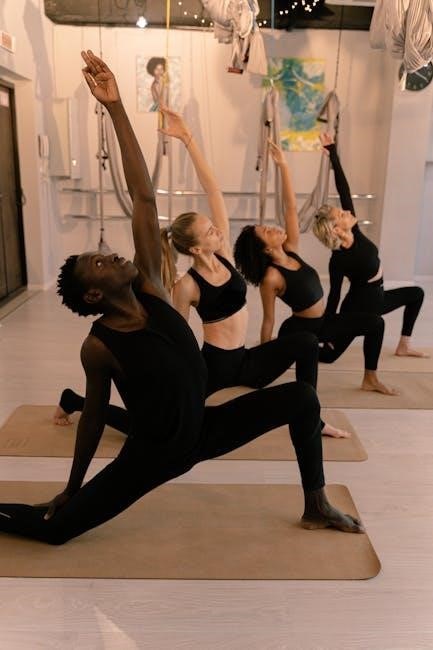
Transition into the heart of your Yin practice with poses held for 3-5 minutes each, as detailed in your PDF guide. Focus on deep hip openers like Butterfly and Dragon Pose, alongside backbends and twists, fostering fascia release and energetic flow throughout the body.
Butterfly Pose (Baddha Konasana) ౼ Hip Opener

Embrace Baddha Konasana, a foundational Yin pose targeting inner thighs, groin, and knees. Your PDF will illustrate variations – supported or un-supported – encouraging gentle forward folds. Breathe deeply, allowing gravity to deepen the stretch, releasing tension and promoting emotional release.
Dragon Pose (Anjaneyasana Variation) ౼ Deep Hip & Psoas Release
Explore a Yin variation of Anjaneyasana, profoundly releasing the hips and psoas. Your PDF guide will detail modifications – using blocks for support – and emphasize a gentle surrender into the pose. Focus on lengthening the spine and breathing into any sensations for optimal release.
Sphinx Pose (Salamba Bhujangasana) ⸺ Backbend & Heart Opener
Utilize Salamba Bhujangasana, a gentle backbend, to open the chest and heart center. Your PDF will illustrate proper alignment – forearms grounded, shoulders relaxed – and suggest variations. This pose encourages a subtle spinal extension, fostering emotional release and improved breathing capacity.
Supported Bridge Pose (Setu Bandhasana) ౼ Chest & Shoulder Release
Employ Setu Bandhasana with a block under the sacrum for a supported heart opener. The PDF guide details prop placement for optimal chest and shoulder release, alleviating tension. This gentle backbend encourages vulnerability and emotional openness, promoting relaxation and improved circulation.
Shoelace Pose (Ardha Matsyendrasana Variation) ౼ Spinal Twist
Explore a deeply restorative spinal twist with the Shoelace Pose, detailed in the PDF. This variation targets the spine’s mobility, releasing tension in the back and hips. Hold for several minutes, focusing on breath, to stimulate internal organs and calm the nervous system.
Modifications for Different Levels
Adapt the 60-minute Yin sequence to your individual needs! The accompanying PDF offers modifications for beginners, intermediate, and advanced practitioners. Utilize props like bolsters and blankets for support, adjusting pose depth as needed. Listen to your body and prioritize comfort over achieving a specific shape.
Holding Times & Breathwork in Yin Yoga
Yin poses are held for extended periods – typically 3-5 minutes – allowing deep tissue release. The PDF guide details specific timings for each pose within the 60-minute sequence. Focus on slow, deep diaphragmatic breathing throughout, observing sensations without judgment, fostering relaxation and mindful awareness.
Cool-Down & Savasana (5-10 minutes)
Transition gently from the final pose into a supported reclined position. The PDF sequence concludes with 5-10 minutes of Savasana (corpse pose) for complete integration. Allow the body to fully surrender, absorbing the benefits of the practice, and cultivate a sense of profound stillness and peace.
Finding & Utilizing PDF Resources for Yin Sequences
Numerous online resources offer PDF versions of Yin Yoga sequences, including detailed pose guides and timings. Websites like Dynasplint provide related anatomical information. Downloadable PDFs allow for offline practice and easy reference during your 60-minute session, enhancing accessibility and deepening your understanding.
Resources & Further Exploration
Delve deeper into Yin Yoga’s history and philosophy through lectures, like Brent Morris’s exploration of maroon communities and liberation. Explore resources detailing the Great Dismal Swamp’s influence and the practice’s connection to accessing inner resilience. Continue your journey with online yoga platforms and workshops.
Unlock a transformative 60-minute Yin Yoga experience with this detailed PDF guide, exploring poses, breathwork, and modifications for a balanced practice.
Yin Yoga is a slow-paced style where poses are held for longer periods – several minutes – to target deep connective tissues. Unlike more dynamic yoga forms, Yin focuses on stillness and surrender. This practice enhances flexibility, calms the nervous system, and cultivates mindfulness. A 60-minute sequence provides ample time to deeply explore these benefits, offering a restorative and meditative experience suitable for all levels, and easily accessible through PDF guides.
A Yin Yoga sequence is a carefully curated series of poses held passively for extended durations, typically 3-5 minutes each. These sequences target the deeper tissues – fascia, ligaments, and joints – promoting flexibility and energy flow. A 60-minute PDF sequence often includes a warm-up, core poses focusing on hips and spine, and a cool-down, offering a complete practice.
A 60-minute Yin Yoga practice, often found as a downloadable PDF, offers profound benefits. It calms the nervous system, increases circulation, and improves joint mobility. Holding poses for longer periods releases emotional blockages and cultivates mindfulness. Regular practice enhances flexibility, reduces stress, and promotes a sense of deep relaxation and well-being.
Yin Yoga, often detailed in PDF sequences, targets deep connective tissues – fascia, ligaments, and joints. A 60-minute practice commonly focuses on the hips, pelvis, and lower spine, areas storing emotional tension. Other target zones include the spine, shoulders, and chest, promoting energy flow and releasing restrictions within these key areas.
Before beginning a 60-minute Yin Yoga sequence – often found as a downloadable PDF – create a quiet, comfortable space. Hydrate well and avoid a large meal beforehand. Mentally prepare to surrender into poses, embracing stillness and breath. Warm muscles slightly with gentle movement, preparing the body for deeper release.

Enhance your 60-minute Yin Yoga practice – easily accessible via PDF guides – with key props. Bolsters provide support under knees or spine, while blankets offer cushioning and warmth. Blocks assist with reaching the floor, and straps deepen stretches. These tools promote relaxation and allow for modifications, catering to individual needs.
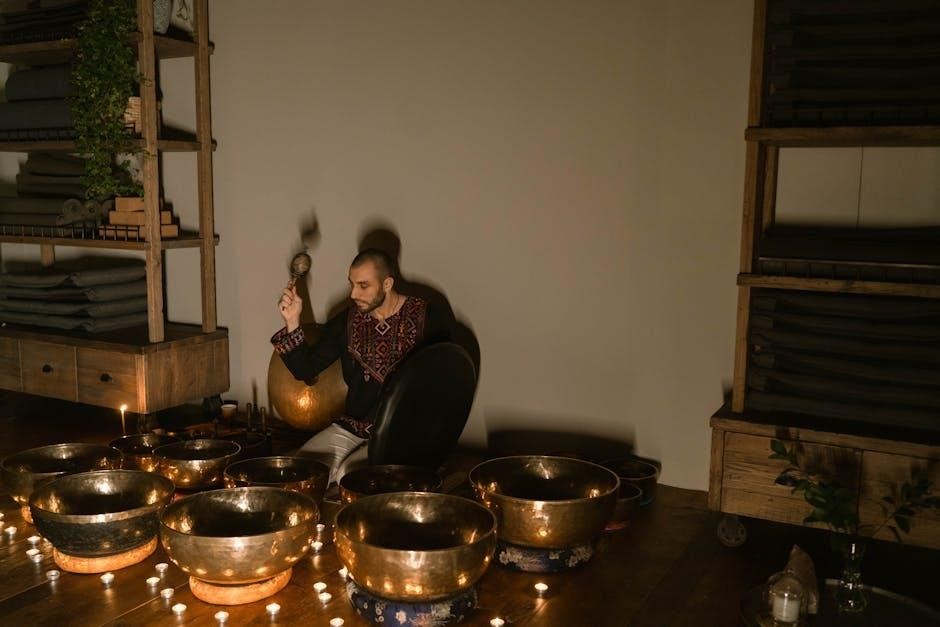
Begin your 60-minute Yin Yoga flow – found in detailed PDF sequences – with gentle movements. Child’s Pose (Balasana) variations ease the spine, while Cat-Cow (Marjaryasana to Bitilasana) promotes spinal mobility. These initial poses prepare the body for deeper stretches, fostering a mindful connection to breath and sensation.
Explore several Child’s Pose (Balasana) variations within your Yin Yoga PDF guide. Knees together or apart, arms extended or alongside the body – each adjustment offers a unique stretch; Hold each variation for several breaths, focusing on releasing tension in the lower back and shoulders, preparing for deeper poses.
Incorporate Cat-Cow (Marjaryasana to Bitilasana) as a gentle warm-up within your Yin Yoga PDF sequence. Synchronize movement with breath – inhale for Cow pose, exhale for Cat. This fluid motion awakens the spine, increases circulation, and prepares the body for longer-held poses, enhancing flexibility.
Transition into the heart of your 60-minute Yin Yoga PDF practice with core poses like Butterfly, Dragon, and Sphinx. These postures target deep connective tissues, promoting flexibility and releasing emotional blockages. Hold each pose for 3-5 minutes, focusing on breath and mindful awareness for optimal benefits.
Embrace Baddha Konasana, a foundational hip opener within your 60-minute Yin Yoga PDF sequence. Gently bring the soles of your feet together, allowing your knees to fall open. Support yourself with cushions if needed, and focus on releasing tension in the inner thighs and groin.
Explore a profound hip and psoas release with this Dragon Pose variation, integral to your 60-minute Yin Yoga PDF practice. Lower your forearms or head to the mat, deepening the stretch. Maintain a long spine and breathe deeply, surrendering to the sensation of opening.
Incorporate a gentle backbend and heart opener with Sphinx Pose, a key element within your 60-minute Yin Yoga PDF sequence. Support yourself on your forearms, lifting your chest. This pose encourages emotional release and expands the breath, fostering a sense of openness.
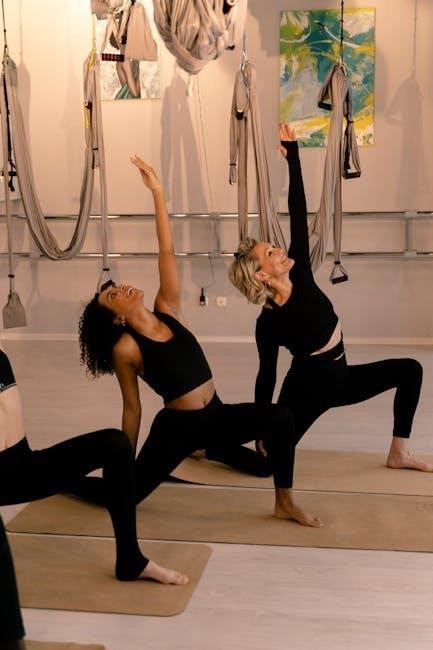
Enhance your 60-minute Yin Yoga PDF practice with Supported Bridge Pose, a restorative posture. Utilize props under the sacrum for gentle support, opening the chest and shoulders. This allows for deep relaxation and releases tension held in the upper body, promoting a calming effect.
Incorporate Shoelace Pose into your 60-minute Yin Yoga PDF sequence for a profound spinal twist. This variation gently releases tension along the spine, stimulating internal organs and improving flexibility. Support the head and upper body with props for optimal comfort and deeper release.
Adapt the 60-minute Yin Yoga PDF sequence to suit all levels! Beginners can use more props and shorten hold times, while experienced practitioners may explore deeper variations. Listen to your body, honoring limitations and avoiding pain. Modifications ensure accessibility and a safe, beneficial practice.
Yin Yoga emphasizes longer holds – typically 3-5 minutes – to target deeper connective tissues. Combine this with conscious, diaphragmatic breathing to calm the nervous system and enhance the release. Focus on observing sensations without judgment, allowing energy to flow freely throughout the sequence.
Transition gently from your final pose into a supported reclined position. Allow your body to fully surrender to gravity, releasing any remaining tension. Embrace Savasana (corpse pose) for 5-10 minutes, cultivating stillness and integrating the benefits of your Yin practice.
Explore online platforms and yoga websites for downloadable PDF guides offering pre-designed 60-minute Yin sequences. These resources often detail pose timings, modifications, and anatomical focuses. Utilize these PDFs for convenient practice, printing, or offline access, enhancing your Yin journey.
Delve deeper into Yin Yoga with books by authors specializing in the practice, and explore online articles detailing the benefits and philosophy. Websites like Dynasplint offer related anatomical insights. Consider workshops or trainings to refine your understanding and personalize your 60-minute sequences.